
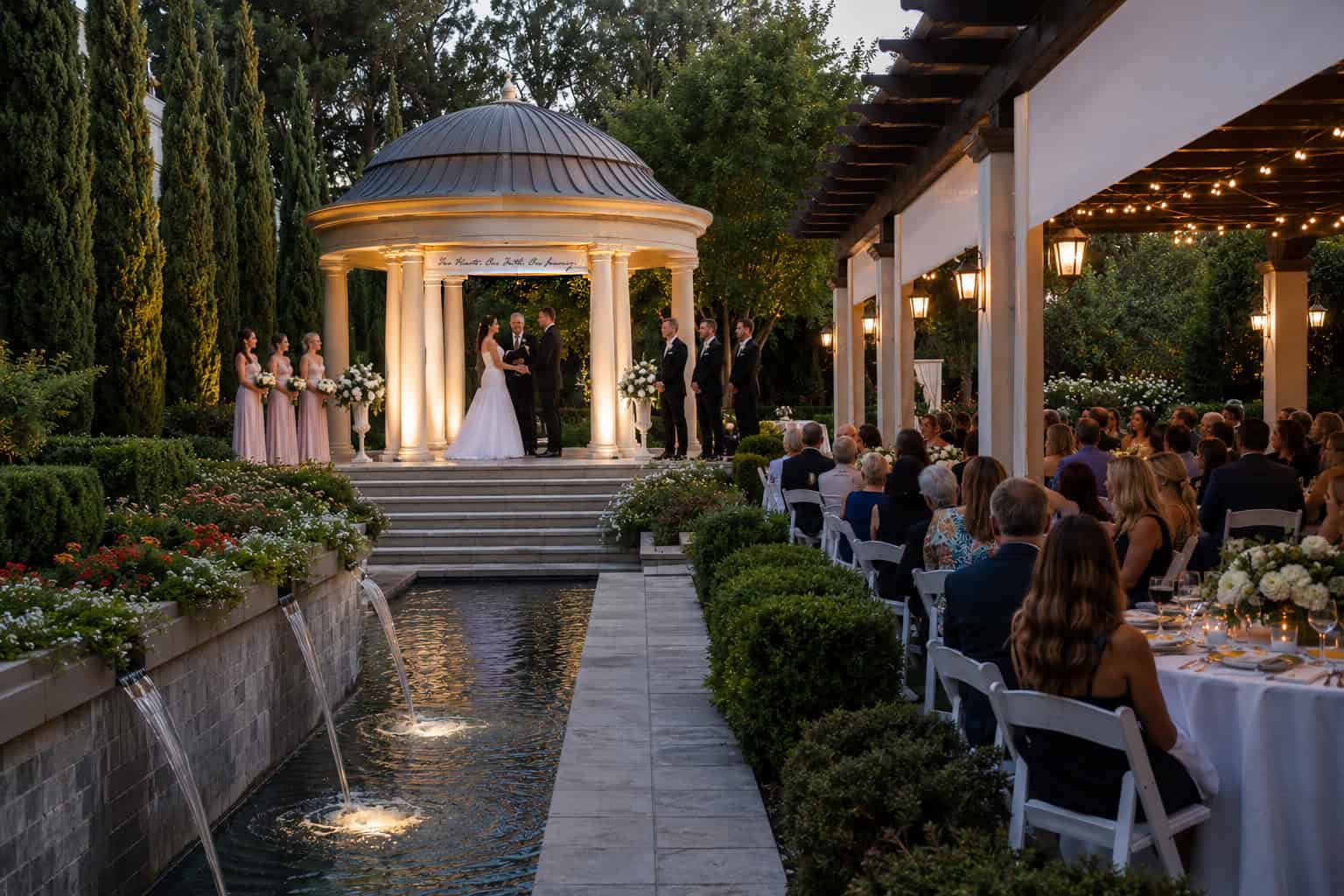
Beyond the Ballroom: How Hotels Are Expanding Their Event Options
It’s 4:00 PM on a Saturday.
The florist has arrived. The DJ is setting up. Guests are checking into the hotel. The wedding planner has spent six months coordinating every detail down to the color of the cocktail napkins.
And then someone checks the weather app.
What started as a 10% chance of rain has become an afternoon thunderstorm warning.
Suddenly, dozens of people are moving chairs. Staff members are carrying centerpieces indoors. The bride is trying not to panic. The groom is pretending not to panic. The event manager is already calculating how to squeeze 150 guests into a ballroom designed for 100.
If you’ve worked in hospitality long enough, you’ve probably witnessed some version of this story.
The irony is that the outdoor dining area everyone fell in love with during the venue tour is often the very space that becomes unusable when weather conditions change.
The New Reality of Outdoor Events
Guests love outdoor spaces.
Whether it’s a rooftop cocktail reception, a lakeside wedding ceremony, a poolside corporate gathering, or an elegant hotel patio dinner, people naturally gravitate toward fresh air and open environments.
In fact, many event planners actively seek venues that offer outdoor event spaces because they create memorable experiences and photograph beautifully.
The challenge is that outdoor events come with one variable nobody can control: the weather. Rain, wind, excessive heat, cold snaps, and even seasonal pollen can quickly turn a carefully planned event into an exercise in improvisation.
That’s why many hotels and event venues have quietly changed the way they think about outdoor space.
The Best Event Managers Plan for Two Events
One practice used by experienced hospitality teams is surprisingly simple.
They don’t plan one event.
They plan two.
Every outdoor wedding, fundraiser, corporate event, or private reception typically has a “Plan A” and a “Plan B.”
The most successful venues don’t wait until clouds appear on the horizon. They build flexibility into the event experience from the very beginning.
Some properties reserve indoor backup space. Others utilize tents or temporary structures. Increasingly, hotels are investing in retractable venue panels and hotel patio enclosures that allow spaces to adapt as conditions change.
Instead of relocating an entire event, the venue simply adjusts the environment.
Guests remain comfortable. Operations remain smooth. Revenue remains protected.
Turning Seasonal Space Into Year-Round Revenue
One of the biggest challenges for hospitality operators is that some of their most attractive spaces are also the least predictable.
- A beautiful courtyard may sit unused during winter months.
- A rooftop patio may struggle during windy seasons.
- A covered terrace may still be vulnerable to rain and temperature swings.
The result is valuable square footage that only generates revenue part of the year.
Forward-thinking hotels are beginning to treat outdoor spaces differently. Rather than viewing patios as seasonal amenities, they’re designing them as flexible environments that can serve multiple purposes throughout the year.
- A wedding venue in spring becomes a holiday party venue in December.
- A summer cocktail patio becomes a corporate retreat space in October.
- A restaurant terrace becomes a private event venue regardless of the forecast.
Patio Enclosures: A Viable Option
Interestingly, guests rarely compliment a venue because it has retractable panels.
- What they remember is comfort.
- They remember enjoying the sunset without fighting the wind.
- They remember staying for dessert because the temperature was pleasant.
- They remember a wedding that flowed seamlessly despite a passing storm.
The best hospitality design often goes unnoticed because everything simply works.
And that’s exactly the point.
Outdoor Spaces Are Becoming Strategic Assets
As hotels and event venues look for new ways to increase revenue without major expansion projects, many are discovering untapped value sitting just outside their doors.
Patios, courtyards, terraces, rooftop lounges, and other outdoor event spaces are no longer viewed as seasonal extras. They’re becoming essential parts of the guest experience and important contributors to year-round profitability.
The goal isn’t necessarily to eliminate the outdoors.
It’s to make outdoor spaces flexible enough that a little rain doesn’t get the final say.


