
Commercial Windscreens
Stop the gusts that clear your patio before the weather ever turns. Commercial-grade wind screens on covered patios, nationwide.
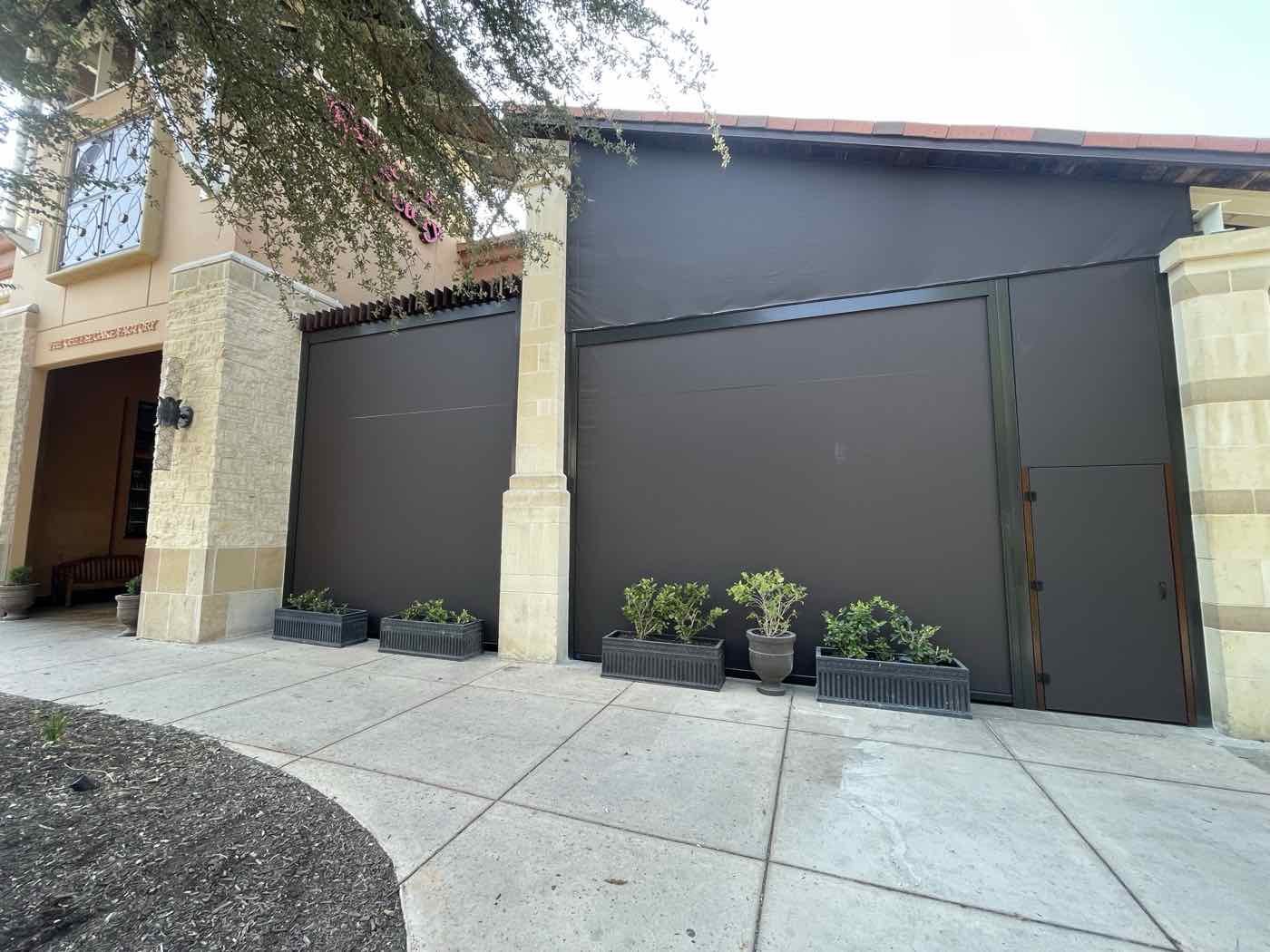
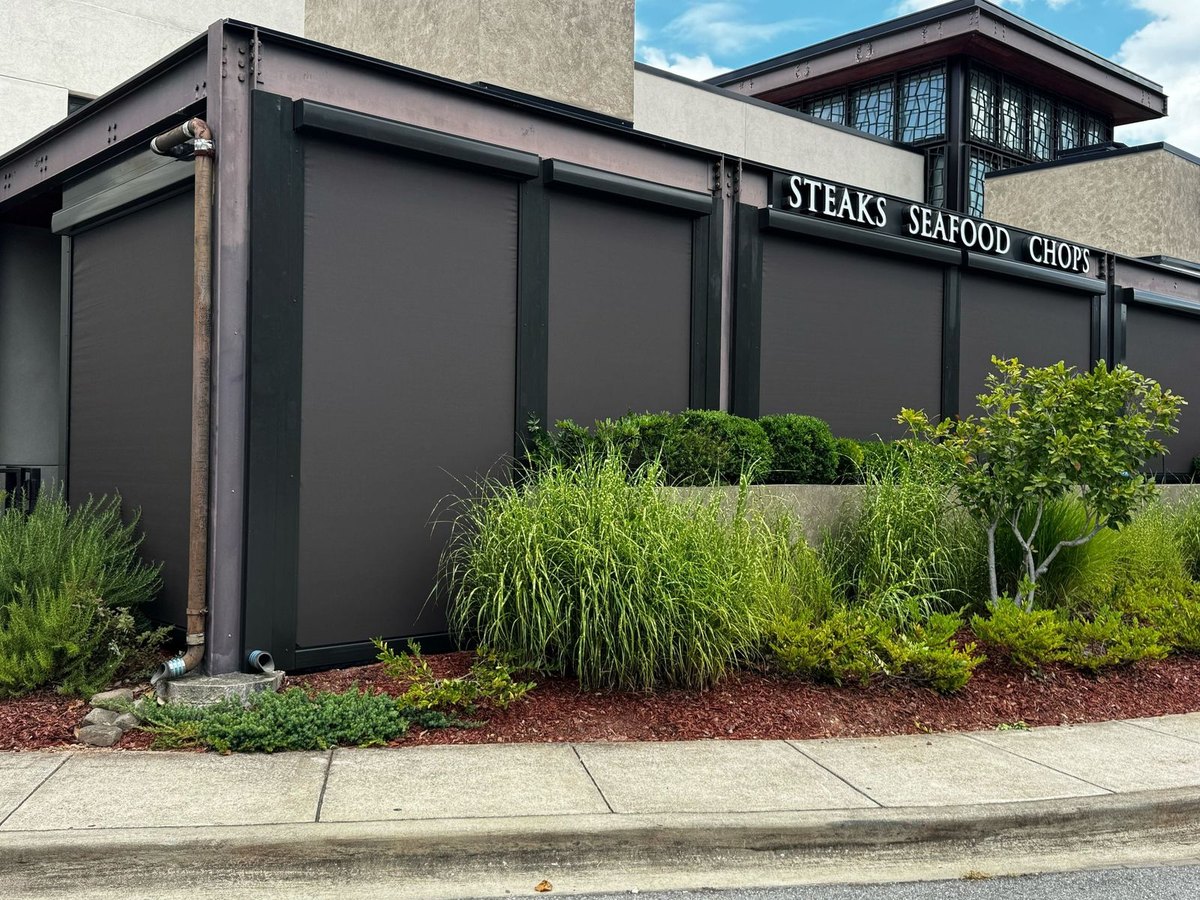
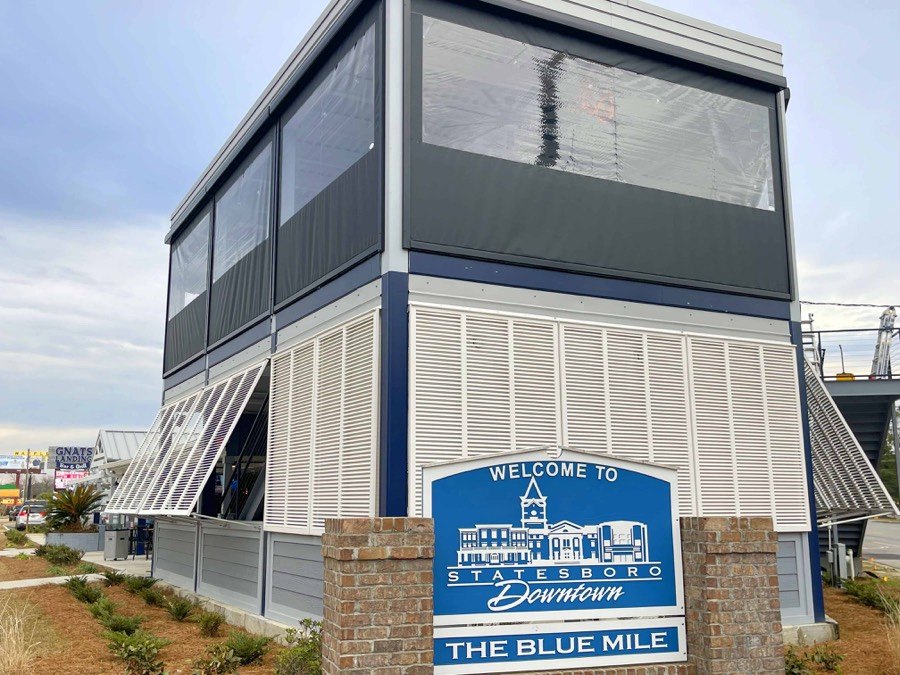
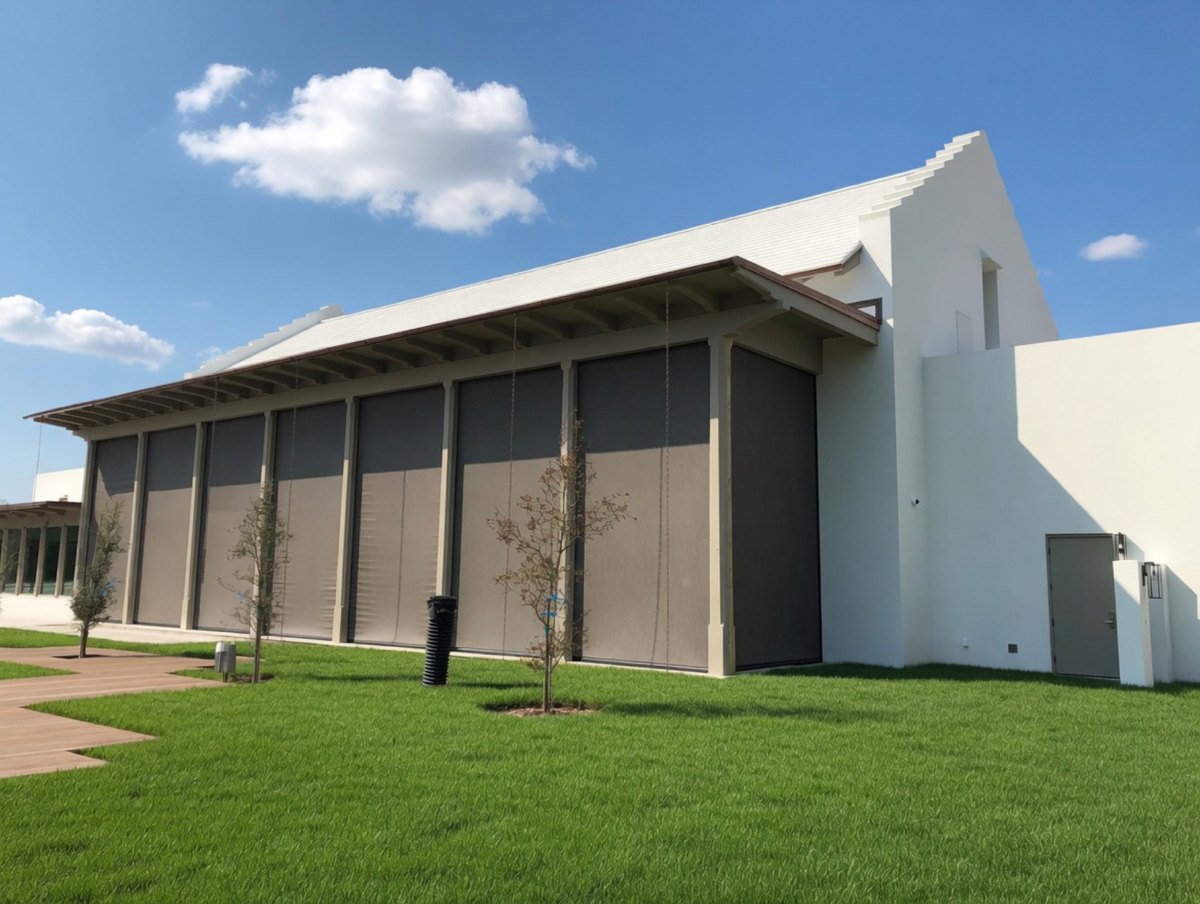
Wind Empties a Patio Faster Than Rain
Guests will sit through a drizzle. They will not sit through a 25 mph cross-draft that sends napkins across the floor and cools every plate before it lands. Wind is the complaint operators underestimate most, because it does not show up on a forecast the way rain does — it just quietly makes the patio unpleasant.
A wind screen is usually the cheapest fix available: a partial-height or full-height panel on the prevailing-wind face, clear or solid, manual or motorized. Most patios need screening on one or two faces and nothing at all on the others.
We assess prevailing direction, building shadow, and existing structure during the site visit and quote only the faces that are actually causing the problem.
What a wind screen fixes
- Cross-draft that cools plates and drinks before they are eaten
- Blowing debris, napkins, and menu loss
- Umbrella and menu-board failures
- Cold-side tables that guests refuse to sit at
- Pollen and airborne dust during spring
- Sound spill from adjacent roads and parking lots
Written as one word or two, these are the same thing: windscreens, wind screens, patio wind screens, outdoor windscreens, patio screen enclosures, wind barriers, or a clear wind blocker for a patio. All describe an exterior panel that intercepts wind before it reaches your guests.
Clear, Solid, or Mesh
The right material depends on what you are protecting and what you are willing to give up.
Clear vinyl gives you the best of both: full wind protection with the view intact. On a patio whose whole appeal is what it looks at, this is usually the answer.
Solid vinyl blocks the view along with the wind, which is exactly what you want on a face pointing at a service alley or a parking lot. It also takes a noticeable edge off road noise, which clear vinyl does not do as well.
Nano mesh cuts the wind while still passing some air, and doubles as insect and pollen protection. Pair it with sun shade fabric and you get privacy for diners on top of it.
Both motorized and manual screens deploy in seconds. Design, fabric, and color are specified to your building rather than pulled off a shelf.
Specifying a screen
- Clear vinyl — wind blocked, view kept
- Solid vinyl — wind and sightline blocked, plus sound attenuation
- Nano mesh — wind reduced, airflow and insect protection retained
- Partial height where wind is only a problem at table level
- Manual or motorized on the same track family as our enclosures
- Extendable later — add faces without replacing the system
Rated for the Wind You Actually Get
Every motorized screen carries a 65 mph warranty deployed and secured; clear vinyl is the limiting factor. Where the exposure justifies it — coastal sites, high-rise terraces, anywhere an insurer has an opinion — the same system can be upgraded to a Nano 97/99 sun shade mesh, wind tested to 110 mph within our size limits.
Manual screens are rated to 45 mph tied down, and up to 60 mph on an 8' by 10' panel.
Those numbers hold because of construction rather than fabric alone: extruded aluminum side tracks, keder retention on motorized systems, D-ring anchoring on manual ones, and reinforced seams welded rather than stitched. The failure point on cheaper screens is almost always an edge that was never really captured.
All vinyl is NFPA 701 flame retardant, which is what allows you to pair a screened patio with heaters and climate control through the winter.
Wind Screen Details
- Wind rating — motorizedWarrantied to 65 mph deployed. Nano 97/99 sun shade mesh: tested to 110 mph within our size limits
- Wind rating — manual45 mph tied down; 60 mph on an 8' by 10' panel
- MaterialsClear vinyl, solid vinyl, or Nano mesh
- OperationMotorized or manual, deployed in seconds
- CoverageFull height or partial height, per face
- Fire ratingNFPA 701 certified
- Also blocksPollen, airborne dust, insects (mesh), and some road noise (solid)
- Warranty3 years on workmanship; 5 years on motors on motorized windscreens
Wind Screen Questions
Is a wind screen the same as an enclosure?
Not quite. A wind screen is normally a partial solution — one or two faces, sometimes partial height — aimed specifically at wind. A full enclosure seals the patio against wind, rain, and cold together. Plenty of patios start with a screen on the prevailing face and add the rest later on the same track.
How much wind will they take?
Every motorized screen is warrantied to 65 mph deployed; as Nano 97/99 sun shade mesh within our size limits the system has been tested to 110 mph. Manual screens hold 45 mph tied down, up to 60 mph on an 8' by 10' panel. Those ratings assume the system is properly secured — a screen left loose is not rated for anything.
Can we still see out?
With clear vinyl, completely. That is usually the point: the patio keeps the view it was built for and loses only the wind. Solid vinyl blocks both, which is what you want facing a dumpster corral or a parking lot.
Do they keep out pollen and insects?
Mesh screens do both, and clear or solid vinyl stops pollen and airborne dust outright. For insects specifically, the Nano weaves are the right call — Nano 70 is the one that stops no-see-ums.
Can we add screens to an enclosure we already have from you?
Yes. Panels and track are designed to extend, so faces can be added without replacing what is already installed.
Do you build the posts or structure to attach to?
No. We enclose patios that have a roof or structure — built already or still in the drawings. What we do not do is build it: the structure has to be in someone else's scope. If no cover is planned at all, we are not the right vendor, and we will tell you so early rather than late.
Losing tables to the wind?
Tell us which direction the gusts come from and we will tell you which faces need screening — usually fewer than operators expect.