
Manual Roll-Down Patio Enclosures
The same weather protection as a motorized system for roughly a quarter of the investment. Rope-and-pulley or hand-rolled clear vinyl, built to outlast the stitched panels most of the industry sells.
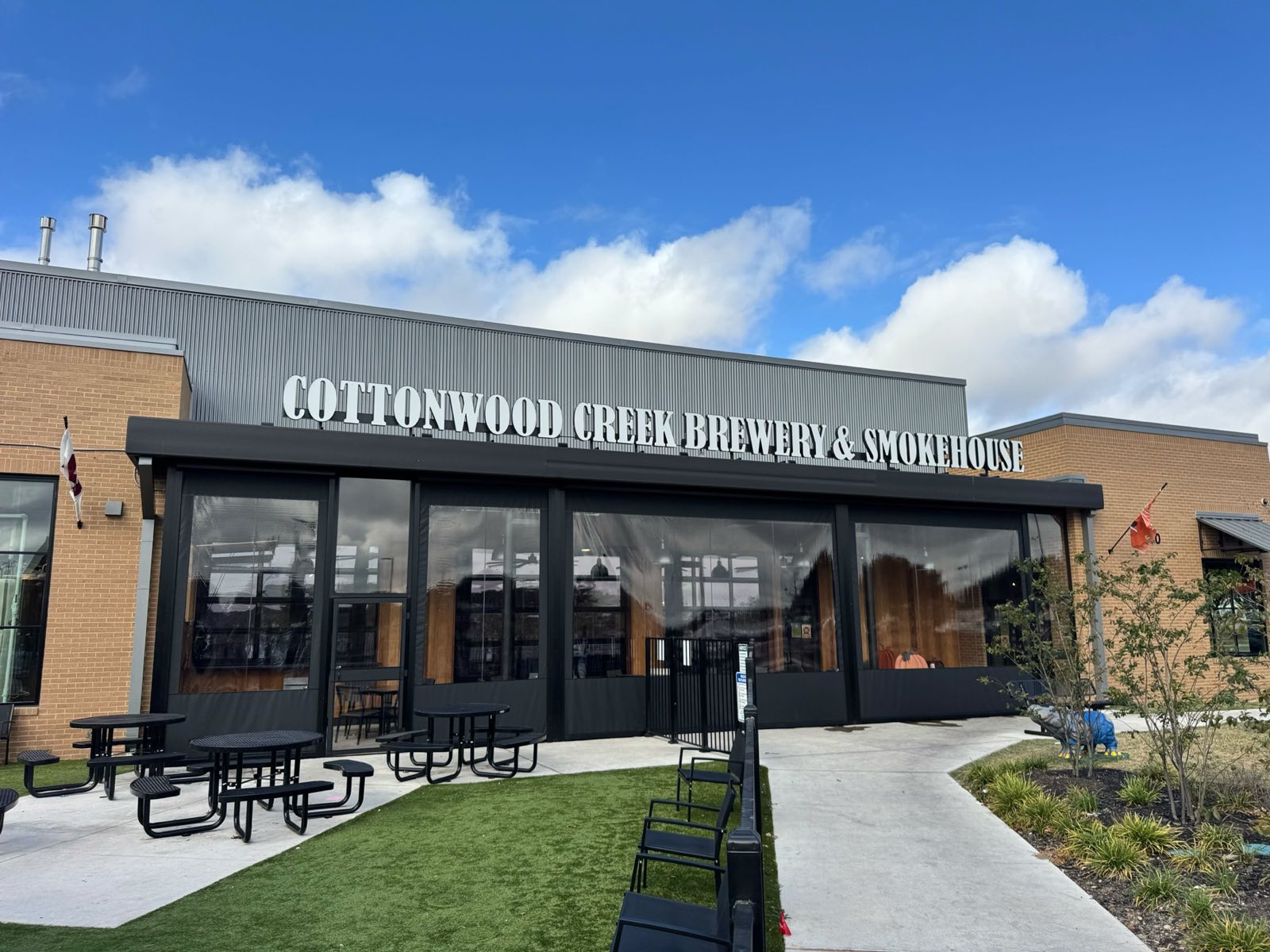
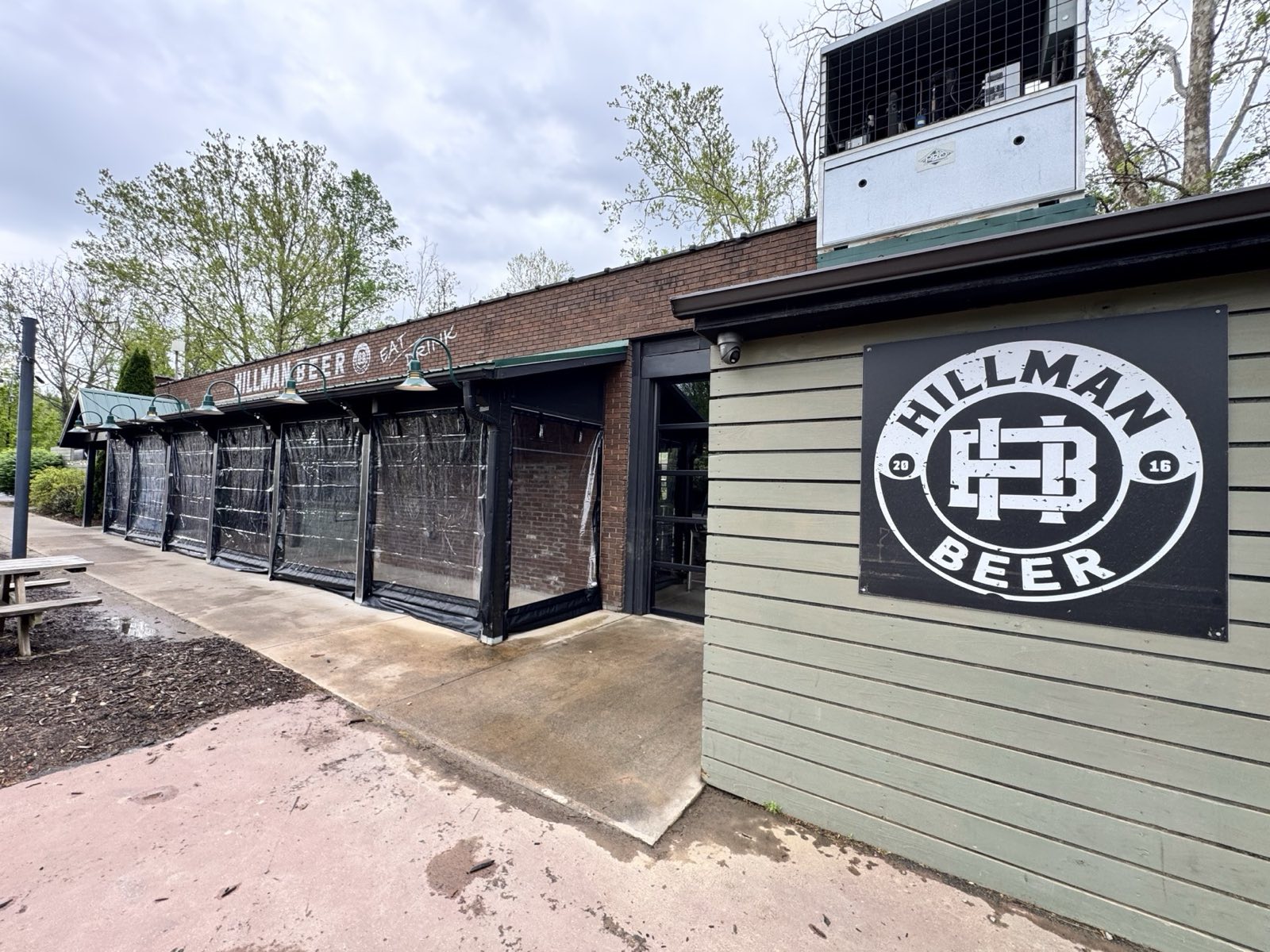
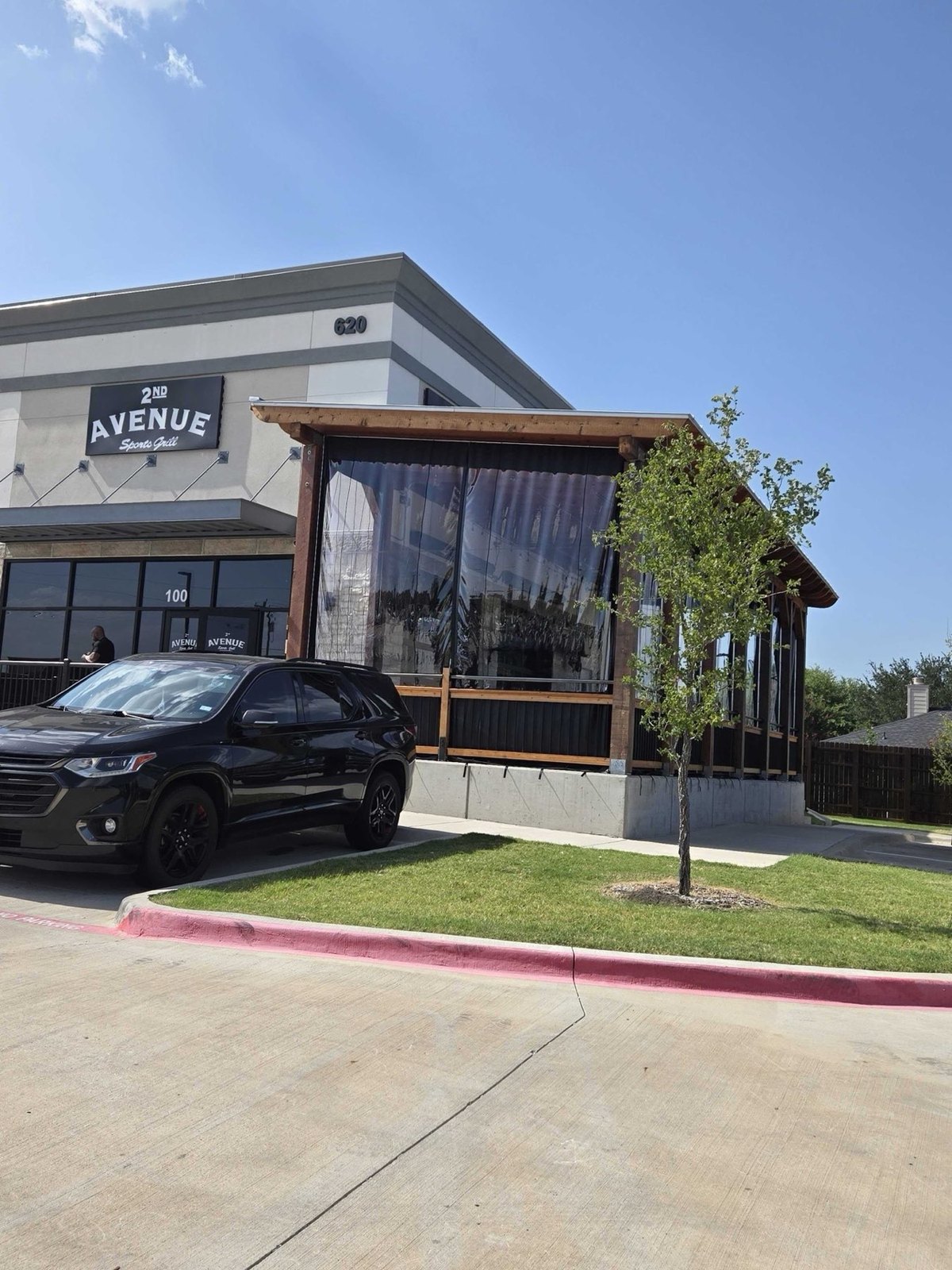
What 20 Years of Revisions Looks Like
The details a sail loft skips
Grommets, snaps, and sail-cover fasteners concentrate wind load at single points and tear through fabric. Full-width welting, zippers, and keder tracks spread that same load across every inch of the edge — which is why our ratings hold at commercial sizes.
How a Manual Roll Panel Works
Watch it in practice
Manual Roll: Video Guides
Straight from our own crews — how the system works, how to measure an opening for it, and the full installation walkthrough.
Overview of our Rope and Pulley Patio Enclosures
How the manual rope-and-pulley system works: clear vinyl panels that roll up from the bottom, secured on a cleat, with no motor or power required.
How To Measure For Roll Patio Enclosures
How to measure a patio opening for a manual roll enclosure, including where to take width and height and what to allow for mounting.
How to Install Rope and Pulley Rigged Patio Enclosures
Our full installation walkthrough for rope-and-pulley roll enclosures, from mounting the header through rigging the pulleys and setting the cleats.
Why Ours Outlast the Stitched Ones
Most of the industry joins clear vinyl panels by stitching them. A stitched seam is a row of perforations — the same principle as the tear line on a notebook page. Ordinary weather works that line until it opens, and the panel is finished.
Clear panels are joined with a radio-frequency (RF) weld. The bond is vinyl fused to vinyl, so the seam ends up stronger than the panel around it rather than weaker. The only stitching on one of our clear enclosures is where the zipper meets the panel, because zipper tape is a tougher material than clear vinyl and handles it.
The colored vinyl is the same PVC used on the sides of over-the-road trailers — chosen because it takes abuse for a living, then finished to look like it belongs on a patio.
At a glance
- Wind rating: 45 mph at full size, up to 60 mph on an 8' by 10' panel, secured with tie-downs
- Panel size: up to 12' wide or 12' high
- Spans: runs up to 100' split into panels about every 10', zipped together
- Clear window: up to 12' wide by 10' high
- Operation: rope-and-pulley or hand-rolled, bottom-up
- Seams: RF-welded clear-to-clear, never stitched
- Fire rating: NFPA 701 and California State Fire Marshal certified
- Price range: about $1,000 to $2,500 per panel for materials and fabrication; installation quoted by location
These go by a lot of names: manual patio enclosures, roll-down patio enclosures, roll-up patio enclosures, roller curtains, drop-down panels, clear plastic patio enclosures, vinyl patio curtains. All the same system — a clear vinyl panel on a top track that rolls down by hand and anchors to the deck.
How It Seals
A manual panel is only as good as its edges, which is where most systems give up.
Ours seal at four points. A track across the top holds the panel captive. Zippers down both sides join panel to panel, or panel to post. A 3-inch sweeper along the bottom closes the gap to the deck against wind, dust, and blown debris. And low-profile D-rings with life-vest-style buckles tie the panel down to the slab so it cannot move.
The D-rings matter more than they sound. Competitors use snaps, or nothing at all. Snaps do not tolerate the shrinkage that vinyl naturally develops, and an unanchored curtain flexes and tears in winds that should not have bothered it. The D-rings sit low enough not to catch a server's shoe.
Drop the panels and you will feel roughly a 10-degree change almost immediately. Add heaters and the patio becomes a room.
Sealing points
- Top track captures the panel across its full width
- Side zippers join panel-to-panel or panel-to-post
- 3″ bottom sweeper blocks wind, dust, and debris
- D-rings anchor to slab, deck, or flooring
- Life-vest-style buckles for fast release
- Complete articulation on all four sides
Seat More People Without Building Anything
A patio that cannot be used in January is a section of your restaurant that does not exist for four months a year. Enclosing it converts seasonal square footage into year-round covers — no permit, no construction, no closing the dining room for a remodel.
Where operators actually see the return:
- Friday and Saturday wait times drop when the patio is in play year-round
- Weather-protected waiting areas and walkways that keep the line moving
- Private event space that can be booked with confidence months out
- Dedicated smoking areas without giving up interior square footage
Wedding and event venues get a different kind of value: nobody books a venue where the whole plan collapses if it rains. Country clubs and golf courses run parties through the shoulder seasons on the same logic.
Most restaurant clients see the investment back quickly — a manual panel runs about $1,000 to $2,500 for materials and fabrication, and a handful of extra covers a week pays for it.
Built Around Your Patio, Not a Catalog
Panels are made to the opening we measured, in colors you choose — matched to a logo, an awning, or existing decor rather than approximated from a stock chart.
Clear vinyl stays crystal clear and cloud-free with basic maintenance: a periodic wipe with vinyl polish is genuinely all it needs. Staff can raise or lower a panel in seconds without interrupting service.
Manual enclosure track and sun shade track can be mounted back to back, so the same opening runs clear vinyl through the cold months and Nano shade fabric through the hot ones. Our shade fabric blocks up to 97% of UV and the heat that comes with it. When spring arrives you can pull the vinyl panels entirely and store them.
If the patio changes later — an expansion, a new railing, a different layout — we can usually adapt the existing system rather than start over.
Options
- Clear vinyl, solid vinyl, Nano shade mesh, or any combination
- Window-free panels where there is nothing worth looking at
- Colors matched to brand or existing decor
- Back-to-back tracks for seasonal swap between vinyl and shade
- Pairs with windscreens on exposed patios
- Removable and storable through the warm months
Manual Enclosures Are Not All the Same
The differences show up the first time real weather arrives.
| Southern Patio Enclosures | Typical competing system | |
|---|---|---|
| Wind rating | Rated 45 mph tied down (60 mph on an 8' by 10' panel) | Often fail below 30 mph |
| Operation | Hand roll or rope & pulleyFull articulation on all four sides; complete blockage of wind, rain, debris, mold, dust, pollen | Horizontal slide or weight-barPanels do not seal at top or sides; gaps let in wind, rain, and cold |
| Anchoring | Low-profile D-ringsSecured at multiple points; safe for foot traffic | Snaps, or nothingUnanchored curtains flex and tear in mild winds; snaps do not allow for shrinkage |
| Panel size | Up to 12' high or 12' wideRuns up to 100' split about every 10' and zipped together; still operable by one staff member | Oversized panelsCompetitors who do not cap panel size risk damage and require multiple staff to operate |
| Clear window | Up to 12' wide by 10' highWindow-free option available to hide unsightly views | About 9' wide by 4'5″ highMany competitors cannot weld clear-to-clear, which caps window size |
| Seams | RF-welded vinyl-to-vinyl, see-through clear-to-clear | Stitched perforations, or a rolling heat seal that clouds and bubbles |
| Service | Nationwide, after the sale — multi-site brands standardize across locations | Regional only — cannot standardize across markets |
Talk to your salesperson about options for taller or wider openings.
Manual Enclosure Details
- Price rangeAbout $1,000 to $2,500 per panel for materials and fabrication. Installation is quoted by location; projects start at $10,000 installed.
- Lead time6 weeks from deposit for rope-and-pulley, 8 weeks with framed metal doors, as of August 2026.
- Wind rating45 mph at full size, up to 60 mph on an 8' by 10' panel, tied down.
- Panel sizeUp to 12' wide or 12' high; runs up to 100' split about every 10' and zipped together
- Clear windowUp to 12' wide by 10' high, or window-free
- OperationRope-and-pulley or hand-rolled, bottom-up
- MaterialsClear vinyl, solid vinyl, Nano shade mesh, or any combination
- Clear vinylCut to length from the roll, seams run horizontally. Costs less than the pre-shrunk sheet used on motorized, and relaxes roughly 2% in width.
- Fire ratingNFPA 701 certified, plus California State Fire Marshal (CSFM) certification
- Expected lifeAround 5 years in commercial hospitality use with proper maintenance
- Warranty3 years on workmanship (manual systems have no motors)
Pricing varies with opening size, fabric mix, door type, site access, and travel. A design consultation produces a fixed number.
Certified for Commercial Occupancy
All of our vinyl carries NFPA 701 certification from the National Fire Protection Association — the flame-resistance standard fire marshals actually accept for enclosure products in an occupied commercial space.
Our solid vinyl (F/R 18oz BIG TEX) is registered with the California State Fire Marshal under application F-41501 and certified to four separate standards, not just one:
- NFPA 701 — Test 1 (small scale)
- NFPA 701 — Test 2 (large scale)
- CSFM — California State Fire Marshal registered
- CPAI-84 — the canvas industry flammability standard
- NYC MEA — accepted for New York City projects
The flame-retardant treatment is applied to the fabric itself, not as a coating. It will not wash out and remains effective for the life of the material — which matters on a patio that gets cleaned every week for ten years.
Clear vinyl is certified separately: Super Clear PVC passed NFPA 701-2019 Test Method #2.
If your local authority asks for documentation during plan review or a certificate of occupancy inspection, we will send the current certificate. Architects and general contractors can request the full certification package from our architect resources.
Manual Enclosure Questions
How do you get a proper seal when the panels are down?
Four points work together: a track across the top that captures the panel, zippers down both sides joining panel to panel or panel to post, a 3-inch sweeper along the bottom against the deck, and D-ring tie-downs anchoring it all in place. Together they close the envelope well enough that patio heating actually works rather than escaping through the gaps.
How do they stay secure in wind?
A tie-down system of small low-profile D-rings and life-vest-style buckles fastens the panel directly to the slab, deck, or flooring. Secured that way the system holds to 45 mph at full size, and up to 60 mph on an 8' by 10' panel. The D-rings sit low enough that staff will not trip on them.
How long does a manual enclosure last?
About five years in commercial hospitality use with proper care. To get the most life out of it: polish the vinyl regularly, always secure the tie-downs when the panels are down, and schedule an annual professional cleaning. We offer maintenance plans that cover this.
What is the largest panel you can make?
Twelve feet in width or height per panel. Longer openings are covered by splitting the run into panels about every 10 feet and zipping them together, which reads as one continuous run up to 100 feet. We cap panel size deliberately — oversized manual curtains take two people to operate and are far more likely to be damaged. For openings taller than 12 feet, motorized is the better answer.
Can we install it ourselves?
No. We stopped subcontracting installation and service long ago — every job is handled by SPE crews out of Austin and San Antonio, travelling nationwide. Where a general contractor is running the wider project, we coordinate with them on schedule and site access.
What maintenance does it need?
Very little. A periodic wipe with vinyl polish keeps clear panels crystal clear and cloud-free. Secure the tie-downs whenever the panels are deployed. An annual professional clean will meaningfully extend the life of the system, and we can put that on a schedule for you.
Can we use the same track for sun shades in summer?
Yes. Manual enclosure track and sun shade track can be installed back to back on the same opening, so you run clear vinyl through the cold months and Nano shade fabric through the hot ones. Our shade fabric blocks up to 97% of UV and the heat with it. Vinyl panels can be removed and stored in the warm season.
Ready to price a manual enclosure?
Send us the opening dimensions and a few photos. We will tell you how many panels it takes, what it costs, and how soon we can install it.